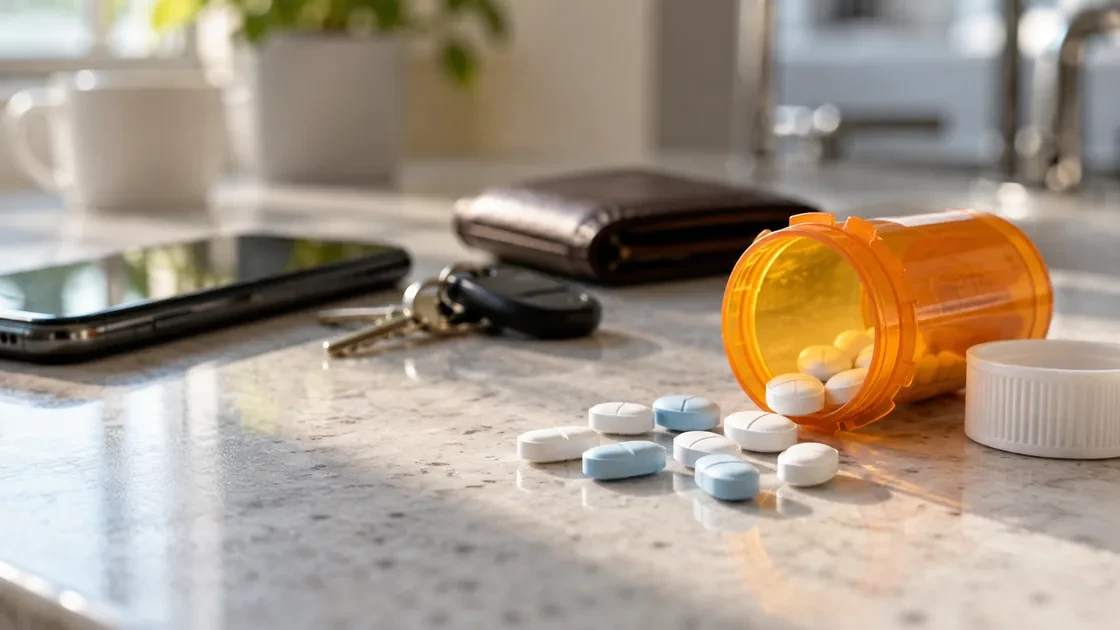
What is cychlorphine? It is an emerging, laboratory-made synthetic opioid that has been identified in counterfeit pills and other parts of the illicit drug supply. It is not fentanyl, but it acts on the same opioid receptors and can cause rapid respiratory depression, unconsciousness, and fatal overdose.
Public-health concern accelerated in 2026. Federal officials cited cychlorphine in hundreds of law-enforcement seizures and linked it to dozens of U.S. deaths, and the Los Angeles County Department of Public Health announced its first confirmed fatal overdose involving the drug on October 15, 2026.1,3
Quick answer: Cychlorphine—also called N-propionitrile chlorphine—is a non-fentanyl synthetic opioid in the "orphine" family. It has no approved medical use in the United States, may be present in counterfeit tablets or other illicit products without the user's knowledge, and may not appear on routine opioid or fentanyl screening tests.
The safest rule: Only take medications prescribed to you and dispensed by a licensed pharmacy.
Possible opioid overdose is a medical emergency. If someone cannot be awakened, is breathing slowly or not breathing, makes choking or gurgling sounds, or has blue or gray lips or fingertips, call 911 immediately. Give naloxone if it is available, follow the product instructions, and stay with the person until emergency help arrives. Additional naloxone doses may be needed.17
Sober Coaching is not an emergency, detoxification, or medical provider.
What Is Cychlorphine?
Cychlorphine is a potent synthetic opioid. Its longer chemical name is N-propionitrile chlorphine, and toxicology authorities classify it within a group of benzimidazolone opioids often called orphines. It activates the brain's mu-opioid receptors—the same receptor system involved in the effects of fentanyl, heroin, oxycodone, and other opioids.5
Cychlorphine is not a prescription medication, and it has never been approved by the U.S. Food and Drug Administration for medical use. The DEA temporarily placed cychlorphine in Schedule I of the Controlled Substances Act effective August 27, 2026, through August 27, 2028, unless the order is extended or replaced by permanent scheduling.4
It is also important not to confuse cychlorphine with nitazenes. They are different chemical families, but both are highly potent synthetic opioids that can enter the drug supply without the buyer knowing.
Why Are Health Officials Warning About Cychlorphine Now?
Cychlorphine was first identified in the U.S. illicit drug supply in 2024. Its presence expanded rapidly enough that, in an August 2026 federal notice, officials cited 225 law-enforcement seizures across 19 domestic jurisdictions and reported that cychlorphine had been associated with at least 55 U.S. fatalities as of early 2026.3
On October 15, 2026, Los Angeles County announced that its medical examiner had identified cychlorphine as a cause of death in a February 2026 overdose. County officials described the finding as the first confirmation of cychlorphine in the local illicit drug supply and noted an additional cychlorphine death reported in Northern California in April 2026.1
These numbers should not be interpreted as a complete count. Confirming cychlorphine requires specialized toxicology, and many routine tests do not detect it. That means exposures and deaths may be missed or attributed broadly to an opioid overdose without the specific compound being identified.
Is Cychlorphine Really 10 Times Stronger Than Fentanyl?
Some federal documents cite laboratory studies suggesting that cychlorphine may be approximately 10 times more potent than fentanyl. Other medical and toxicology sources use more cautious language, describing it as comparable to or more potent than fentanyl.35
The important point is not a single numerical comparison. Laboratory potency does not translate neatly into a predictable human dose, especially when an illicit product may contain unknown amounts of cychlorphine, fentanyl, benzodiazepines, xylazine, stimulants, or other substances.
For families, the practical takeaway is straightforward: cychlorphine is an extremely potent opioid with a narrow margin between intoxication and respiratory arrest. A person cannot judge the strength or contents of a counterfeit pill by its color, shape, imprint, price, or previous experience with pills from the same source.
How Cychlorphine Can Be Hidden in Counterfeit Pills
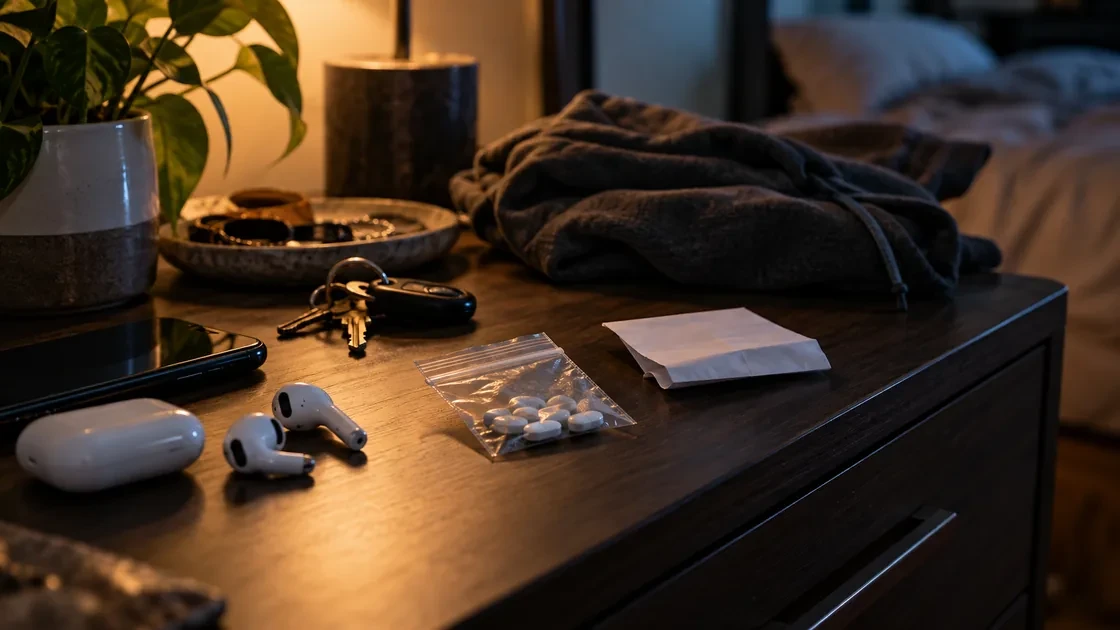
Cychlorphine has been identified in powders, counterfeit tablets made to resemble prescription medications, crystals, liquids, and other drug products. It has also appeared alongside fentanyl, stimulants, novel benzodiazepines, and other synthetic opioids.15
This means a person does not have to be deliberately searching for cychlorphine to be exposed. Someone may believe they purchased Xanax, oxycodone, another prescription pill, or a completely different substance.
Published clinical reports describe nonfatal opioid overdoses involving people who believed they had taken alprazolam, the generic form of Xanax. Advanced toxicology later identified cychlorphine, sometimes with other substances.6
A pill obtained from a friend, social-media contact, website, street seller, or any source outside a licensed pharmacy should not be assumed to be authentic—even when it looks identical to a legitimate medication.
Can Fentanyl Test Strips Detect Cychlorphine?
No. Fentanyl test strips do not test for cychlorphine itself. A strip may detect fentanyl if fentanyl is also present, but a negative fentanyl result does not establish that a sample is free of cychlorphine or other dangerous synthetic opioids.
Routine hospital urine drug screens can also miss cychlorphine. The American College of Medical Toxicology reports that standard opiate and fentanyl screens may return negative because cychlorphine has a different chemical structure. Confirmatory identification generally requires specialized laboratory techniques such as liquid chromatography–mass spectrometry.5
In an emergency, do not wait for a test result or proof of what was taken. Respond to the person's symptoms as a possible opioid overdose.
What Does a Cychlorphine Overdose Look Like?
Because cychlorphine is an opioid, the warning signs are similar to other opioid overdoses. They may include:
- Inability to wake the person
- Very slow, shallow, irregular, or stopped breathing
- Choking, snoring, or gurgling sounds from someone who cannot be awakened
- Blue, gray, or unusually pale lips, fingertips, or skin
- Very small "pinpoint" pupils
- A limp body
- Extreme sedation, confusion, or loss of consciousness
Mixing opioids with alcohol, benzodiazepines, sedatives, sleep medications, or other depressants can further increase the risk of respiratory failure and death.
Does Narcan Work on Cychlorphine?
Naloxone—commonly known by the brand name Narcan—should be given during a suspected cychlorphine overdose. Naloxone blocks opioid receptors and can restore breathing when opioids are causing respiratory depression.
Because cychlorphine is highly potent, more than one naloxone dose may be necessary. DEA and Los Angeles County public-health guidance both emphasize administering naloxone and calling 911 immediately.12
Naloxone is a temporary emergency treatment, not a substitute for medical care. A person may become unresponsive again after initially improving. Stay with the person until emergency medical professionals arrive.7
Can Cychlorphine Cause Addiction or Withdrawal?
Cychlorphine is a mu-opioid receptor agonist, so it carries the same fundamental concerns associated with other potent opioids: tolerance, physical dependence, cravings, compulsive use, and overdose.
Human research on long-term cychlorphine use is still limited, and a unique cychlorphine withdrawal syndrome has not been thoroughly characterized. However, repeated exposure to a potent opioid can reasonably be expected to produce opioid-type withdrawal symptoms, which may include:
- Intense cravings
- Anxiety, agitation, or restlessness
- Sweating, chills, and gooseflesh
- Muscle and joint pain
- Nausea, vomiting, diarrhea, or abdominal cramps
- Insomnia
- Runny nose, watery eyes, and yawning
- Rapid heart rate or elevated blood pressure
Someone who has been using counterfeit pills, fentanyl, heroin, or other illicit opioids should receive a medical assessment rather than attempting to identify or manage the exposure alone. The actual product may contain several substances with different withdrawal and overdose risks.
How Is Cychlorphine or Opioid Dependence Treated?
There is no cychlorphine-specific treatment protocol for families to administer at home. Clinical care is based on the person's symptoms, overdose risk, withdrawal severity, other substances involved, medical history, and whether opioid use disorder is present.
Depending on the situation, treatment may include:
- Emergency medical stabilization after an overdose
- Medically supervised withdrawal management when appropriate
- A comprehensive substance-use and mental-health assessment
- Medication for opioid use disorder, including buprenorphine, methadone, or naltrexone when clinically appropriate
- Residential, partial-hospitalization, intensive-outpatient, or outpatient treatment
- Treatment for co-occurring anxiety, depression, trauma, or other behavioral-health needs
- Family education and boundary planning
- Relapse-prevention, recovery coaching, peer support, and structured aftercare
Buprenorphine, methadone, and naltrexone are FDA-approved medications used to treat opioid use disorder. The right medication and level of care must be determined by qualified medical and addiction-treatment professionals.8
What Parents and Families Should Do
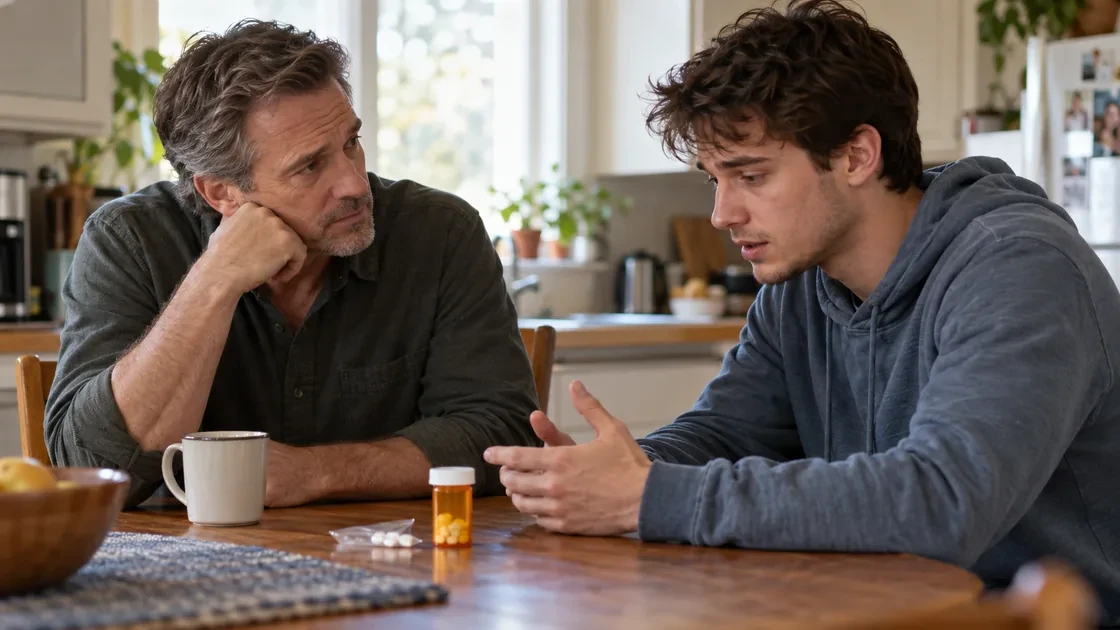
Finding pills, suspicious messages, powder, or other evidence of opioid use can create panic. A calm, organized response is usually more effective than an angry confrontation.
- Take the risk seriously. Pills obtained outside a licensed pharmacy may contain cychlorphine, fentanyl, nitazenes, or other unexpected substances.
- Keep naloxone accessible. Make sure more than one person knows where it is and how to use it.
- Learn the signs of overdose. Do not assume someone is merely sleeping if they cannot be awakened or are breathing abnormally.
- Talk about what you observed. Use specific facts rather than accusations, threats, or labels.
- Do not wait for another overdose. A nonfatal event is a warning that the next exposure may be different or more potent.
- Ask for professional guidance. A treatment professional can help determine whether the next step should be emergency care, detoxification, medication treatment, residential care, outpatient care, or another intervention.
When an Intervention May Be Appropriate
Families often know something is wrong long before the person is willing to accept help. If opioid use continues despite overdoses, escalating consequences, repeated promises to stop, or serious concern from loved ones, a professionally planned addiction intervention may help move the conversation away from arguments and toward a specific treatment plan.
An effective intervention is not an ambush or a performance. It is a structured process that helps the family prepare, establish healthy boundaries, present an immediate treatment option, and respond consistently whether the person accepts help right away or not.
Choosing Treatment and Planning the Transition
When someone agrees to treatment, speed and preparation matter. Sober Coaching can assist families with rehab placement by evaluating clinical fit, level of care, co-occurring needs, location, and the quality of the discharge plan.
If getting the person safely to a detoxification or treatment program is a concern, sober transport provides structured, recovery-aware support during admission and other treatment transitions.
Support After Detox or Rehab
Medical stabilization is essential, but it is not the end of recovery. Returning home can reintroduce the same triggers, contacts, routines, stress, and access to substances that existed before treatment.
A sober companion can provide intensive, hands-on support during a vulnerable transition, including real-time accountability, help following the discharge plan, support during travel, and protection from high-risk environments.
As stability grows, a recovery coach or online recovery coach can help build sustainable routines, strengthen relapse-prevention skills, restore family and work responsibilities, and turn treatment recommendations into daily action. A sober coach may also provide private one-on-one accountability for clients who need structured support without 24/7 companion care.

How Sober Coaching Can Help
Sober Coaching does not provide emergency medical care, detoxification, toxicology testing, diagnosis, or clinical addiction treatment. Our role is to help individuals and families take the next practical step and build the structure needed before, during, and after formal treatment.
Depending on the circumstances, we can help coordinate:
- Professional addiction intervention services
- Rehab and treatment placement
- Sober transportation to treatment
- 24/7 sober companion support
- Private sober coaching and recovery coaching
- Nationwide online recovery coaching
Concerned About Counterfeit Pills or Opioid Use?
You do not need to identify the exact substance before asking for help. If someone you love is using counterfeit pills, fentanyl, heroin, or other illicit opioids, we can help your family understand the available treatment and recovery-support options.
Call Sober Coaching: 877-223-6680
Email: gethelp@sobercoaching.com
Inspiring you to live a sober lifestyle.™
Frequently Asked Questions About Cychlorphine
What is cychlorphine?
Cychlorphine, also called N-propionitrile chlorphine, is an emerging synthetic opioid in the orphine family. It has no approved medical use in the United States and has been identified in counterfeit pills and other illicit drug products.
Is cychlorphine stronger than fentanyl?
Laboratory data cited by federal officials suggest cychlorphine may be more potent than fentanyl and possibly about 10 times more potent in certain laboratory measures. Exact human potency is uncertain, and illicit products contain unpredictable concentrations and mixtures. It should be treated as an extremely high-risk opioid.
Can fentanyl test strips detect cychlorphine?
No. Fentanyl test strips do not detect cychlorphine itself. They may still detect fentanyl when fentanyl is present in the same sample, but a negative fentanyl test does not rule out cychlorphine or another synthetic opioid.
Does naloxone work on cychlorphine?
Naloxone should be administered during a suspected cychlorphine or other opioid overdose. Multiple doses may be required. Call 911 immediately, follow the naloxone product instructions, and stay with the person until emergency medical help arrives.
What are the warning signs of a cychlorphine overdose?
Warning signs can include inability to wake the person, slow or stopped breathing, choking or gurgling sounds, blue or gray lips or fingertips, pinpoint pupils, limpness, and loss of consciousness. Treat these signs as a medical emergency.
Can someone take cychlorphine without knowing it?
Yes. Cychlorphine has been identified in counterfeit tablets and other products sold or represented as different drugs. A person may believe they are taking a prescription medication or another substance and have no reliable way to identify cychlorphine by appearance.
What treatment is available for cychlorphine addiction?
Treatment is based on opioid overdose, withdrawal, and opioid use disorder rather than a separate at-home cychlorphine protocol. It may include medical stabilization, withdrawal management, buprenorphine, methadone, or naltrexone when appropriate, behavioral treatment, residential or outpatient care, and structured recovery support.
Sources and Further Reading
- Los Angeles County Department of Public Health: First Fatal Overdose Tied to Cychlorphine, October 15, 2026.
- U.S. Drug Enforcement Administration: Public Safety Advisory—Fentanyl Mixed With Emerging Synthetic Drugs, May 12, 2026.
- Federal Register: International Drug Scheduling Notice Including Cychlorphine, August 26, 2026.
- Federal Register: Temporary Placement of Cychlorphine and Related Synthetic Opioids in Schedule I, August 27, 2026.
- American College of Medical Toxicology: Cychlorphine—An Emerging Opioid, 2026; and World Health Organization 49th ECDD Critical Review, 2026.
- Clinical Toxicology: Non-Fatal Opioid Overdose Associated Predominantly With Cychlorphine, 2026.
- CDC: What to Do If You Think Someone Is Overdosing; and FDA: Access to Naloxone Can Save a Life During an Opioid Overdose.
- National Institute on Drug Abuse: Medications to Treat Opioid Use Disorder.
This article is provided for educational purposes only and is not medical advice, diagnosis, toxicology guidance, or a substitute for emergency or clinical care. Call 911 for a suspected overdose or medical emergency.